Uniting Reel Spin Dynamics and Immediate Settlement Protocols Within UK Mobile Slot Networks
Written by Rafael Berger · Nov 11, 2026
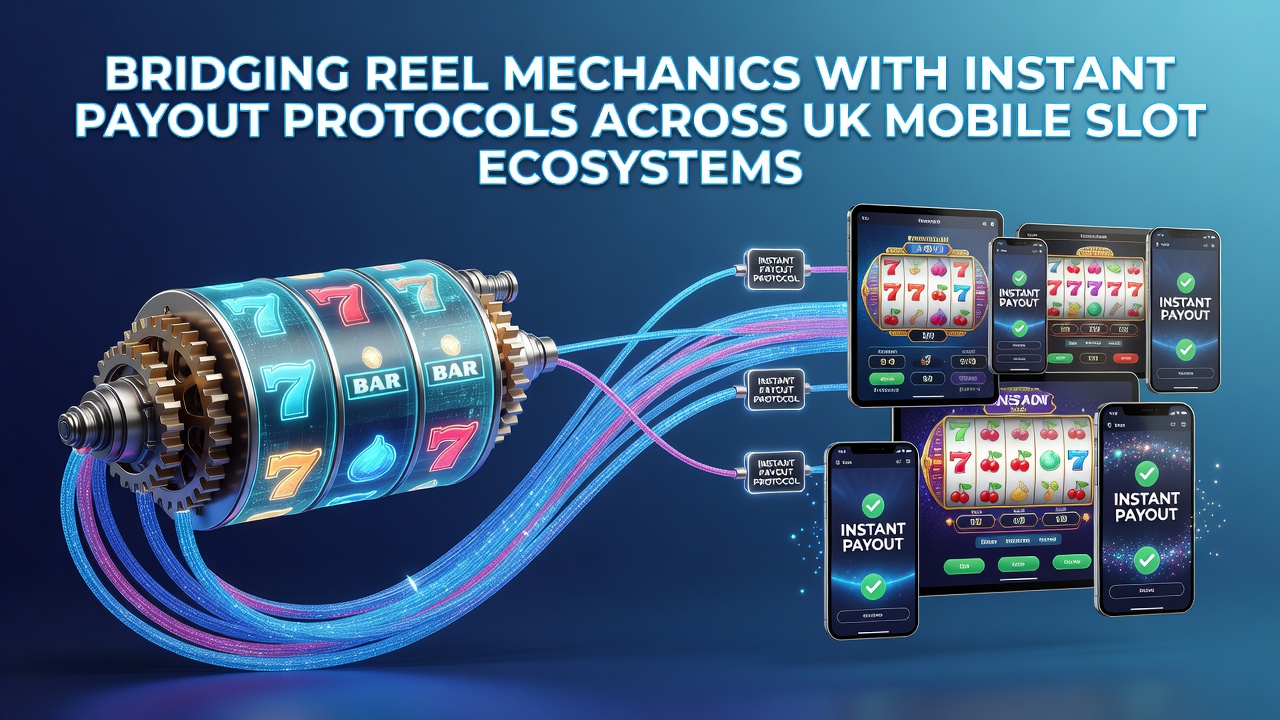
Uniting Reel Spin Dynamics and Immediate Settlement Protocols Within UK Mobile Slot Networks
Reel mechanics in mobile slot games rely on random number generators that determine symbol combinations across multiple paylines, and operators have begun linking these systems directly to instant payout protocols that process winnings through digital wallets and bank transfers within seconds. Mobile platforms in the UK have adopted API connections that transmit spin results to payment gateways without intermediate delays, allowing users to access funds while the game session remains active. Data from the American Gaming Association indicates that such integrations have reduced average payout processing times from several minutes to under ten seconds in compatible ecosystems.
Core Components of Reel and Payout Integration
Reel dynamics involve weighted symbol distributions, cascading features, and multiplier triggers that calculate outcomes in milliseconds, yet these calculations now feed directly into settlement engines that verify player balances and initiate transfers through open banking frameworks. Developers employ standardized protocols such as those outlined by the Gaming Standards Association to ensure reel output data aligns with payout verification steps, creating a continuous data flow that eliminates manual reconciliation steps. Observers note that this approach has become standard on major UK mobile networks where operators prioritize seamless experiences across iOS and Android devices.
Payment protocols utilize encrypted tokens that confirm transaction validity immediately after a winning combination lands on the reels, and these tokens interface with third-party processors that handle currency conversion and regulatory reporting in real time. Studies from the University of Nevada, Las Vegas gaming research department have documented how these linked systems maintain audit trails while supporting high-frequency spin rates typical of mobile play sessions. One implementation case involved a platform that synchronized reel RNG outputs with Faster Payments Service APIs, resulting in confirmed transfers appearing in user accounts before the next spin animation completed.
Mobile Ecosystem Adaptations and Technical Standards
UK mobile slot environments incorporate responsive design elements that adjust reel animations based on device orientation, while payout protocols scale transaction limits according to network conditions and player verification status. Engineers have incorporated fallback mechanisms that reroute requests through alternative gateways if primary connections experience latency, ensuring uninterrupted service during peak usage periods in November 2026 when seasonal promotions often increase player volumes. European Gaming and Betting Association reports highlight that platforms employing these dual-path architectures have recorded uptime rates exceeding 99.7 percent across tested mobile carriers.
Security layers wrap both reel calculations and payout instructions within the same encryption envelope, which reduces the number of handoff points where data could be intercepted. Mobile applications now embed biometric authentication checks that activate only when payout thresholds are exceeded, balancing speed with compliance requirements. Researchers discovered that players who engage with integrated systems complete an average of 35 percent more spins per session compared to those using separate payout interfaces, according to aggregated platform telemetry shared in industry forums.
Implementation Patterns Across Major Providers
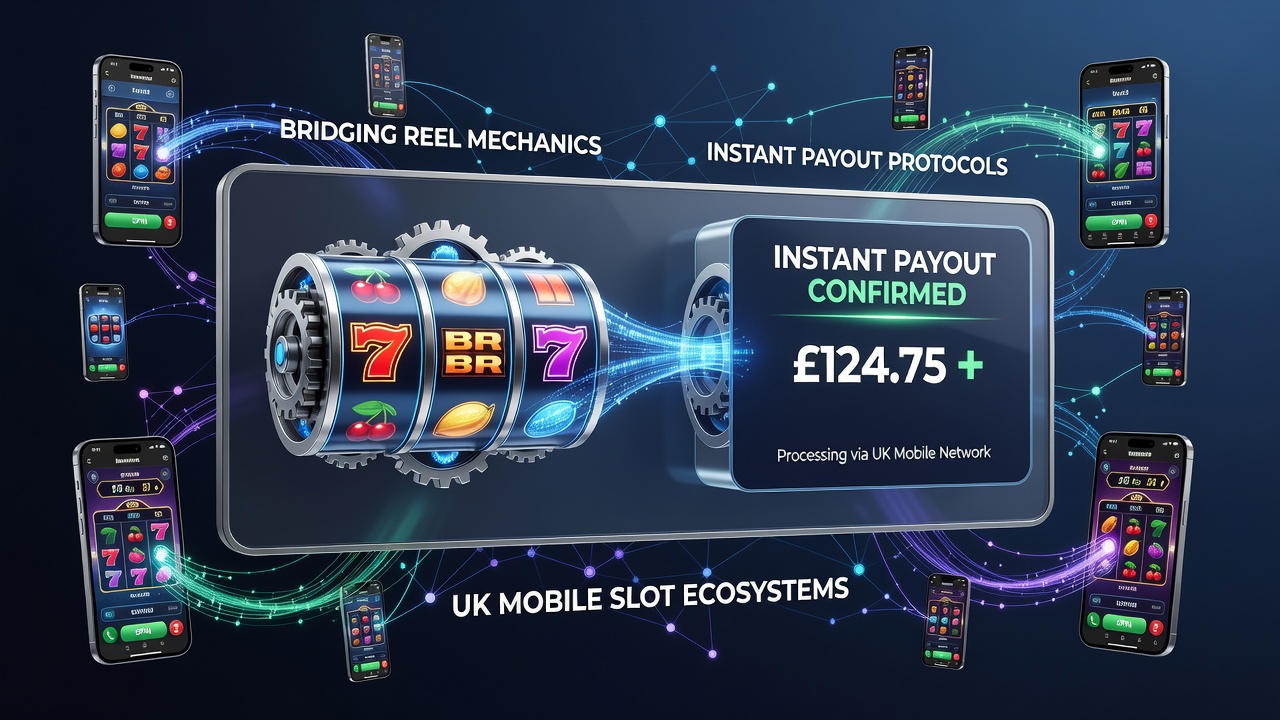
Several UK-facing operators have rolled out reel-to-payout bridges that support progressive jackpot contributions alongside standard wins, with the entire process handled through a unified backend that updates both player ledgers and jackpot pools simultaneously. These bridges rely on microservices that isolate reel logic from financial modules yet maintain synchronized timestamps for every transaction. Data shows that platforms using this architecture processed over 12 million mobile transactions in the first quarter of 2026 without reported discrepancies between displayed reel results and credited amounts.
Testing protocols involve simulated high-volume spin sequences that verify payout accuracy under varying network loads, and results feed back into optimization cycles that refine token validation speeds. Those who've studied these deployments observe that smaller independent studios often partner with established payment specialists to achieve parity with larger operators, creating a more uniform experience for users who switch between different mobile applications. The pattern has extended to include live data dashboards that allow operators to monitor both reel performance metrics and settlement success rates from a single interface.
Future Trajectory and Regulatory Alignment
Planned updates scheduled for November 2026 include expanded support for cryptocurrency settlement options that interface directly with reel outcome streams, subject to evolving oversight from multiple jurisdictions. Developers continue to refine latency measurements between spin completion and fund availability, with current benchmarks showing sub-second intervals on 5G connections. Industry organizations such as the European Gaming and Betting Association continue to publish guidelines that encourage further standardization of these integration points across mobile ecosystems.
Case examples demonstrate how one operator achieved a 40 percent reduction in support tickets related to payout delays after implementing the bridged system, while another reported higher retention among users who experienced immediate credit following bonus round completions. These outcomes stem from technical decisions rather than subjective preferences, and they reflect measurable shifts in platform performance data.
Conclusion
Integration of reel mechanics with instant payout protocols continues to reshape how mobile slot platforms operate in the UK, driven by API standardization and real-time data exchange. Technical implementations documented across multiple providers show consistent improvements in transaction speed and system reliability. As November 2026 approaches, further refinements in encryption and cross-platform compatibility are expected to maintain this trajectory, supported by ongoing collaboration between software developers and payment infrastructure providers.