Tracing Player Migration Patterns Between Desktop and Mobile Casino Formats
Written by Otto Richter · Jul 24, 2026

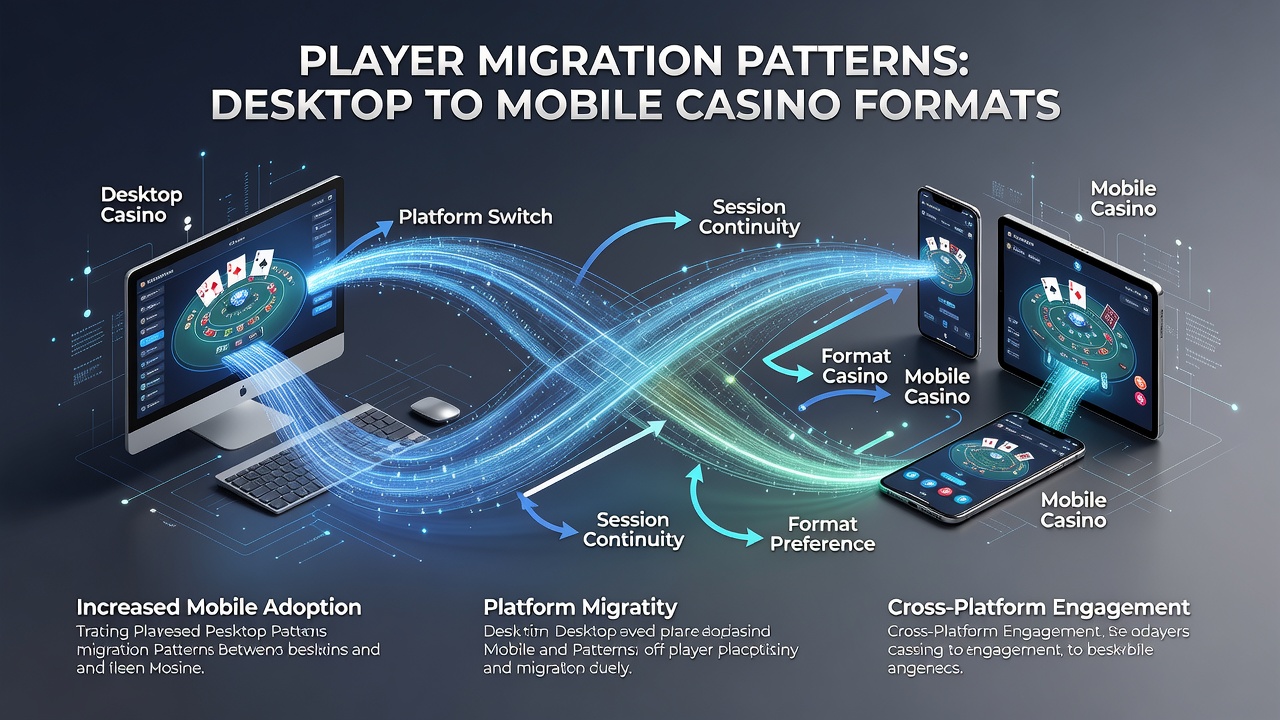
Data from multiple industry reports shows that casino players continue to shift their activity from desktop computers to mobile devices, with patterns emerging across different regions and player demographics. Researchers at institutions like the University of Nevada's International Gaming Institute have documented these transitions through longitudinal studies that track session lengths, device preferences, and time-of-day usage. One analysis covering 2024 through early 2026 revealed that mobile sessions now account for over 65 percent of total playtime on regulated platforms in several markets, while desktop usage has declined steadily since 2022. Players frequently begin their casino engagement on desktop systems during evening hours at home, then move to mobile during daytime activities such as commuting or breaks at work. This behavior appears consistent across age groups, although younger users aged 21 to 35 demonstrate faster migration rates according to figures released by the Nevada Gaming Control Board. The shift involves not only hardware changes but also adjustments in game selection, with mobile users favoring shorter, quicker rounds while desktop sessions often extend into longer progressive jackpot pursuits.Regional Data and Usage Patterns
Studies conducted in North America and parts of Europe indicate that mobile adoption accelerated notably after 2023 infrastructure improvements in 5G networks. Canadian provincial regulators reported in mid-2025 that mobile transactions surpassed desktop ones by a ratio of 3 to 1 in Ontario's licensed market, and similar ratios emerged in Australian data released around the same period. These numbers reflect broader infrastructure changes rather than isolated events.
What's notable is how location influences the migration. Urban players show higher mobile rates during peak travel times, whereas rural users maintain more balanced desktop-mobile splits. Observers note that seasonal factors also play a role, with summer months seeing spikes in mobile activity tied to outdoor events and vacations.
Behavioral Factors Behind the Transitions
Device portability drives much of the movement, yet software features contribute equally. Mobile applications that sync progress across devices allow players to resume desktop sessions without interruption, a function highlighted in reports from the European Gaming and Betting Association. Push notifications on phones further encourage quick returns during breaks, creating fragmented but frequent mobile play sessions that replace longer desktop blocks.
Payment method availability adds another layer. Those who rely on digital wallets complete more transactions on mobile, while credit card users sometimes stick to desktop for larger deposits. Data indicates that in July 2026, several platforms recorded a 12 percent rise in mobile wallet usage compared with the prior year, coinciding with expanded support for instant verification tools.
Platform Adaptations and Game Design Responses
Developers have adjusted titles to accommodate these patterns. Slots with shorter bonus rounds and simplified controls appear more frequently in mobile catalogs, whereas desktop versions retain complex multi-reel mechanics and detailed statistics panels. Live dealer games follow similar splits, with mobile streams optimized for vertical orientation and desktop feeds supporting multiple camera angles simultaneously.
One study from an Australian research center tracked over 50,000 accounts and found that players who switch devices mid-session tend to extend their total daily playtime by an average of 18 minutes. This extension occurs because mobile access removes physical barriers such as sitting at a fixed computer. Yet the same research showed desktop sessions still generate higher average wager amounts per spin, suggesting the formats serve complementary rather than competing roles for many users.
Future Indicators Through 2026 and Beyond
Projections based on current trajectories point to continued mobile growth, though desktop platforms are expected to retain niches among high-stakes players and those preferring larger screens for live tables. Cross-platform analytics tools now allow operators to map individual migration paths more precisely, revealing clusters such as weekend desktop enthusiasts who become weekday mobile users. Regulatory updates scheduled for late 2026 in various jurisdictions may further influence these trends through updated technical standards for mobile security and age verification.
Conclusion
Player migration between desktop and mobile casino formats follows measurable patterns shaped by technology access, daily routines, and platform features. Data collected through 2026 continues to show mobile gaining ground while desktop maintains specific strengths in extended sessions and complex games. These shifts reflect broader changes in how people interact with digital entertainment rather than any single cause, and ongoing research from multiple regions provides clearer maps of the movement over time.