Mechanics Behind Loyalty Incentives in British Mobile Slot Platforms
Written by Rafael Berger · Sep 30, 2026
Mechanics Behind Loyalty Incentives in British Mobile Slot Platforms
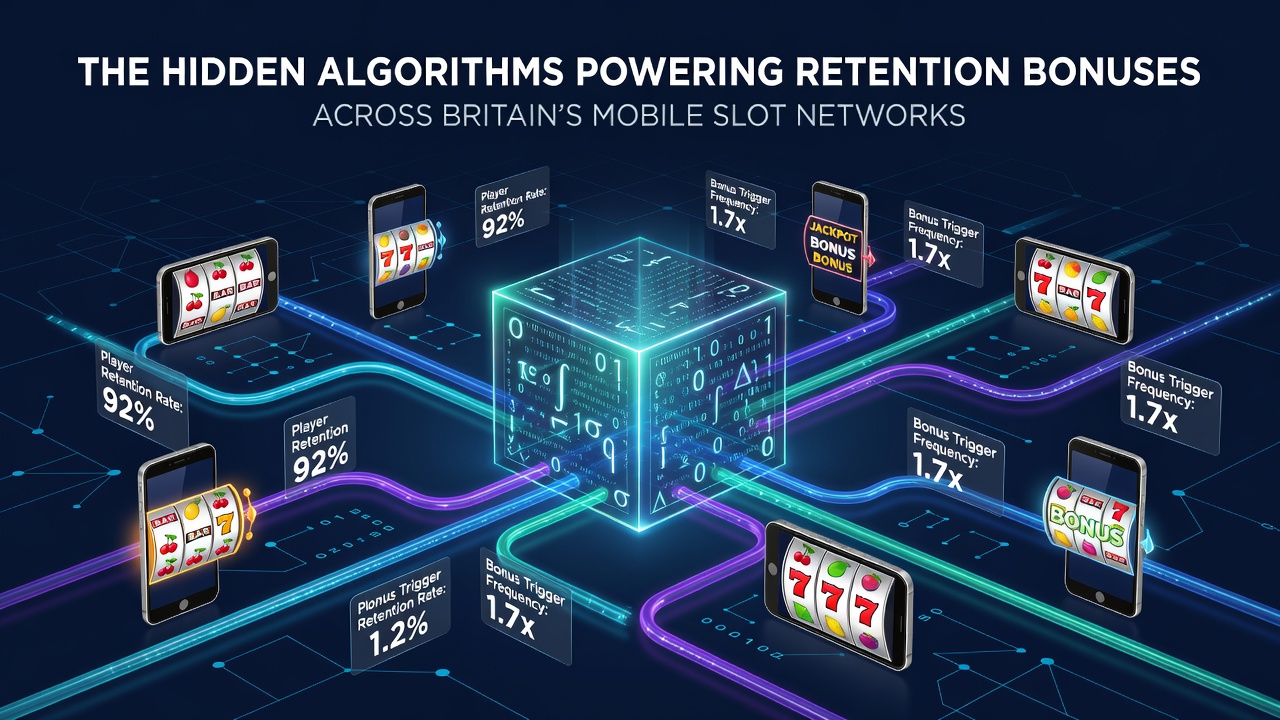
Retention bonuses on Britain's mobile slot networks rely on sophisticated algorithms that process player data in real time, and these systems track metrics such as session duration, deposit frequency, and game preferences to determine personalized offers. Operators collect vast amounts of behavioral information from app interactions, and the algorithms then segment users into categories based on predicted churn risk while calculating bonus values that encourage continued play without exceeding set thresholds.
Data from industry reports indicates that these models incorporate machine learning techniques to forecast when a player might reduce activity, and they adjust reward structures accordingly with elements like free spins or deposit matches scaled to individual histories. Observers note that integration with payment systems allows for immediate bonus deployment, and this happens often during peak mobile usage hours across networks operating in the UK market.
Data Processing Foundations
Algorithms begin by aggregating anonymized transaction logs and gameplay statistics, then apply predictive analytics to identify patterns that signal declining engagement. Research from the Australian Gambling Research Centre shows similar frameworks used in comparable markets where variables like time since last deposit and average bet size feed into scoring systems that trigger retention actions. These scores determine eligibility for bonuses while ensuring compliance with regional spending limits that took effect in various jurisdictions by September 2026.
One study from the University of Nevada Gaming Research Center revealed that such models often use decision trees combined with neural networks to simulate multiple scenarios for each user, and this approach allows platforms to test different incentive levels before rollout. The process connects directly to mobile app notifications that deliver tailored messages, and operators report higher response rates when timing aligns with user login patterns detected through the data streams.
Personalization Techniques
Personalization emerges from clustering algorithms that group players according to shared traits like preferred slot themes or volatility tolerance, and these clusters receive distinct bonus formulations designed to match their activity profiles. For instance, high-frequency users might see offers emphasizing extended play sessions, whereas sporadic players encounter incentives focused on return visits. Evidence from gaming association analyses in Canada highlights how these distinctions improve retention metrics across digital platforms, and the same principles apply in British mobile environments where network providers manage large user bases.
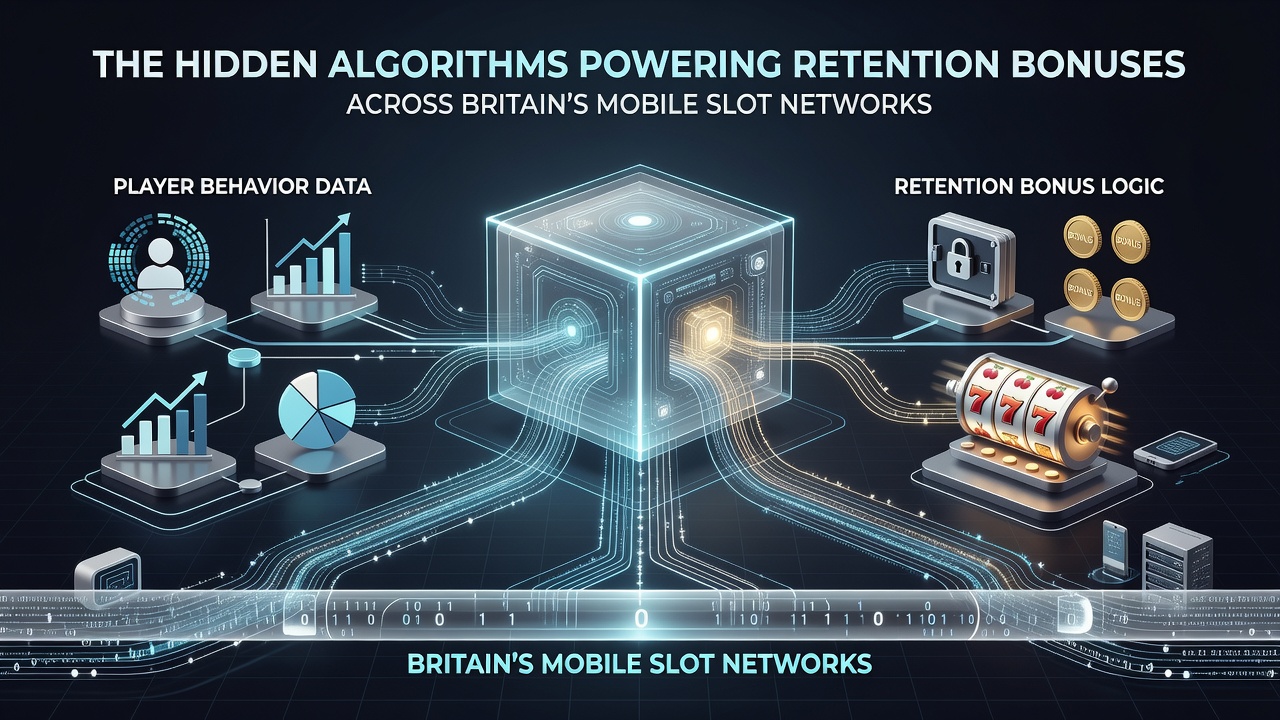
What's interesting is the way feedback loops refine these models daily, since new interaction data updates the parameters and shifts bonus distributions dynamically. This continuous adjustment prevents over-allocation of rewards while maintaining engagement targets set by the platform operators, and it incorporates external factors such as seasonal events or game launches that influence player behavior across the networks.
Integration With Mobile Infrastructure
Mobile slot networks embed these algorithms within their core infrastructure, allowing seamless interaction between user interfaces and backend servers that handle bonus validation. The systems cross-reference device information with account history to prevent duplicate claims, and they enforce geographic restrictions tied to UK licensing requirements without direct reference to any single regulatory body. Industry reports from the European Gaming and Betting Association document parallel implementations where latency remains low enough to support instant bonus activation during live sessions.
Those who've examined the technical architecture note that encryption protocols protect the data flows involved in these calculations, and this security layer ensures that player profiles remain isolated even as the algorithms perform cross-user comparisons for broader trend analysis. Such comparisons help refine overall retention strategies without exposing individual details, and they contribute to network-wide adjustments that respond to aggregate shifts in mobile gaming habits observed through September 2026.
Conclusion
Overall the algorithms powering retention bonuses across Britain's mobile slot networks operate through layered data analysis and predictive modeling that adapts to user patterns while aligning with operational constraints. These mechanisms draw on established techniques documented in multiple international studies, and they continue to evolve with advancements in computing resources available to platform developers. The result supports sustained player activity on mobile devices through precisely calibrated incentives that reflect both individual and collective trends within the ecosystem.