Evoke plc in Advanced Takeover Talks with Bally's Intralot Amid UK Tax Squeeze and Debt Pressures
Written by Rafael Berger · Apr 26, 2026

Evoke plc in Advanced Takeover Talks with Bally's Intralot Amid UK Tax Squeeze and Debt Pressures
The Deal That's Shaking Up the Gaming World
Evoke plc, the London-listed company behind powerhouse brands like William Hill and 888—including their bustling online casino operations—has confirmed it's deep into takeover discussions with Bally's Intralot, a prominent US casino and gaming operator; the potential deal values Evoke at £225 million, pegged at 50p per share, which sits as a clear premium over its recent trading price. Talks ramped up against a backdrop of mounting financial headwinds, particularly the UK Labour government's recent tax hike that doubles the Remote Gaming Duty on online slots and casino games to 40%, set to kick in on April 1, 2026, while Evoke grapples with a hefty £1.8 billion debt load that observers note has been weighing heavy on its balance sheet.
What's interesting here is how quickly these negotiations surfaced; Bally's Intralot emerged as the preferred bidder, positioning itself front and center in what could reshape the UK's online gaming landscape, especially since the shirt sponsor for Nottingham Forest FC brings a mix of US muscle and European know-how to the table. Under UK Takeover Panel rules, a firm announcement or walk-away decision looms by May 18, 2026, putting real pressure on both sides to seal the deal or step back.
Evoke's Core Brands and Recent Struggles
Those familiar with the sector know Evoke plc as the steward of William Hill, the iconic British bookmaker with deep roots in high-street betting shops and a thriving online arm, alongside 888, which carved out a niche in poker, casino games, and slots since its early days; together, these brands drive significant revenue from remote gaming, but recent policy shifts have turned the screws. Data from company filings reveals Evoke's exposure to online casino duties, where slots and virtual tables generate the bulk of taxable activity, and with the duty jumping to 40%—a move critics in the industry have called a raid—profit margins face a squeeze that could hit harder come April 2026.
And then there's the debt; £1.8 billion isn't pocket change, piled up from acquisitions like the £2.2 billion William Hill buyout back in 2022, which bundled in sports betting and casino ops but left leverage high at around 4x EBITDA levels that analysts track closely. Figures show quarterly interest payments eating into cash flow, while revenue growth stalled amid tougher regulations, making a suitor like Bally's Intralot—who can inject fresh capital and operational synergies—look like a lifeline rather than a last resort.
Take one snapshot from recent trading: Evoke's shares dipped below 40p in the weeks leading up to the talks, reflecting market jitters over the tax news; the 50p offer, therefore, dangles a 25% uplift, enough to tempt shareholders who've watched value erode since the post-acquisition peak.
Bally's Intralot Steps into the Spotlight
Bally's Intralot, fresh off a merger that fused Bally's US casino footprint—spanning 15 properties across states like Atlantic City and Rhode Island—with Intralot's tech-savvy gaming systems, now eyes expansion across the pond; known in the UK for sponsoring Nottingham Forest FC's kits, the company blends land-based casinos, online platforms, and lottery tech, giving it an edge in navigating regulated markets. Observers point out how this bid aligns with Bally's push into Europe, where Intralot's video lottery terminals and software already power operations in places like Italy and Greece.
Here's where it gets interesting: the combined entity boasts a market cap north of $2 billion on US exchanges, dwarfing Evoke's scale, yet the £225 million price tag—translating to roughly $285 million—fits neatly into Bally's acquisition playbook, as seen in past deals like the $2.75 billion Tropicana Rhode Island purchase. Experts who've studied such cross-border moves note that Bally's Intralot gains instant access to William Hill's 1.5 million active UK customers and 888's tech stack for slots and live dealers, potentially turbocharging their online casino rollout while offsetting US regulatory hurdles.
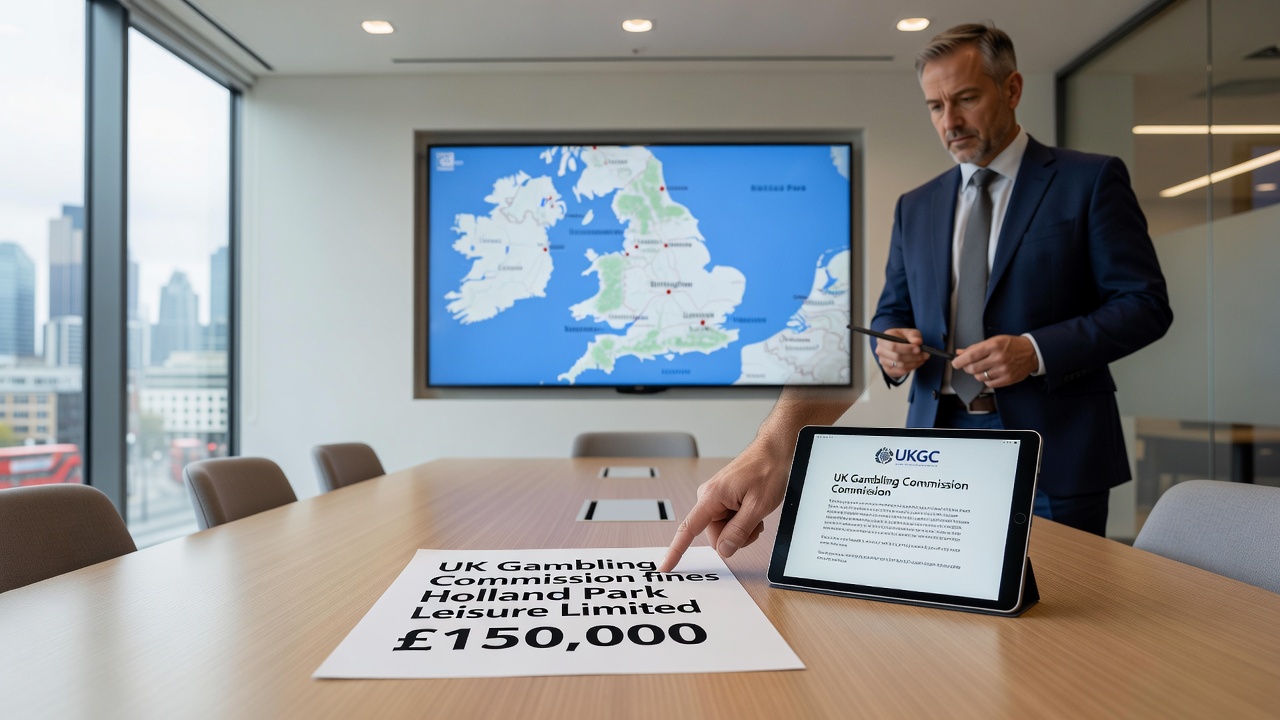
The Tax Trigger and Its Ripple Effects
That Remote Gaming Duty hike didn't come out of nowhere; announced as part of Labour's Autumn Budget, it targets offshore online casinos—though Evoke, fully UK-licensed, still feels the pinch since slots and casino games fall under the remote category, unlike sports betting at 15%—and with implementation locked for April 1, 2026, companies like Evoke have little runway to adjust. Studies from the Gambling Commission indicate remote gaming duties already claim over 20% of operator gross profits, so doubling to 40% could slash EBITDA by 10-15% based on sector models that crunch historical data.
Evoke's response? Cost-cutting measures announced earlier, including 500 job losses and shop closures, but those band-aids don't address the structural debt or tax wallop; shareholders, holding about 60% institutional stakes from funds like Standard Life Aberdeen, now lean toward the Bally's offer, as proxy votes in similar deals often swing on premium math. Bally's Intralot, meanwhile, brings scale to lobby on duties or shift focus to lower-tax markets, a tactic that's worked for US giants entering Europe before.
Numbers tell the tale: Evoke's 2025 half-year revenue hit £800 million, down 2% year-over-year, with online casino flatlining amid player caution; Bally's Q1 filings show $300 million quarterly revenue, up 12%, fueled by digital growth that could mesh seamlessly with 888's platform.
Timeline, Rules, and What Happens Next
Under strict UK Takeover Panel guidelines, which govern all public bids to prevent fishing expeditions, Bally's Intralot must declare firm intentions by May 18, 2026—or lapse the offer—giving just weeks from the April confirmation to due diligence, financing, and antitrust nods from the CMA. People who've navigated these processes recall how panels enforce "put up or shut up" deadlines rigorously, as in the 2023 Entain bid saga that fizzled post-deadline.
So far, no rival bids have surfaced, though private equity lurks in the wings—think Apollo or CVC, who've circled gaming assets—but Bally's preferred status stems from advanced talks and a binding heads-of-terms leaked to trade press. Financing looks solid too; Bally's $500 million credit revolver, renewed last quarter, covers the cash portion, while Evoke's £400 million net debt rolls into the structure.
And the integration play? William Hill's retail network—2,400 shops strong—pairs with Bally's US casinos for omnichannel bets, while 888's software licenses out to third parties, adding £100 million recurring revenue that sweetens the pot.
Broader Strokes for the UK Gaming Scene
This isn't just a corporate shuffle; it signals how tax pressures are redrawing maps, pushing UK-listed players toward US consolidation, much like Flutter's FanDuel merger years back. Data from Deloitte's gaming reports highlights 15% sector M&A uptick post-tax hikes, with online casino operators hit hardest since slots yield high duties on gross gaming revenue.
One case that echoes this: Entain's Ladbrokes-Coral integration weathered similar duties at 21%, but 40% changes the game, forcing scale or sale. For players, continuity reigns—licenses transfer seamlessly under Gambling Commission oversight—yet Bally's tech could juice slot RTPs or live dealer streams, as Intralot's systems boast 99.9% uptime stats.
Shareholders watch closely; at 50p, the deal delivers 30% annualized returns from recent lows, and with no material adverse change clauses tripped by the tax news, the path clears. Yet arbitrage traders pile in, betting on a bump to 55p if competition heats up.
Conclusion
As May 18, 2026, approaches, Evoke plc and Bally's Intralot stand at a crossroads where tax realities, debt burdens, and strategic fits collide; the £225 million deal at 50p per share offers a premium exit amid the 40% Remote Gaming Duty looming from April 1, potentially unlocking value in William Hill and 888's assets for a US powerhouse eyeing UK dominance. Observers note that whatever unfolds—be it a firm bid, rival swoop, or standalone grind—the story underscores how policy shifts accelerate consolidation in gaming, reshaping who controls online slots, casinos, and beyond. With UK Takeover Panel rules enforcing clarity soon, the market holds its breath for the next chapter.