Deposit Methods and Progressive Jackpot Access in Mobile Gaming
Written by Otto Richter · Oct 28, 2026
Deposit Methods and Progressive Jackpot Access in Mobile Gaming
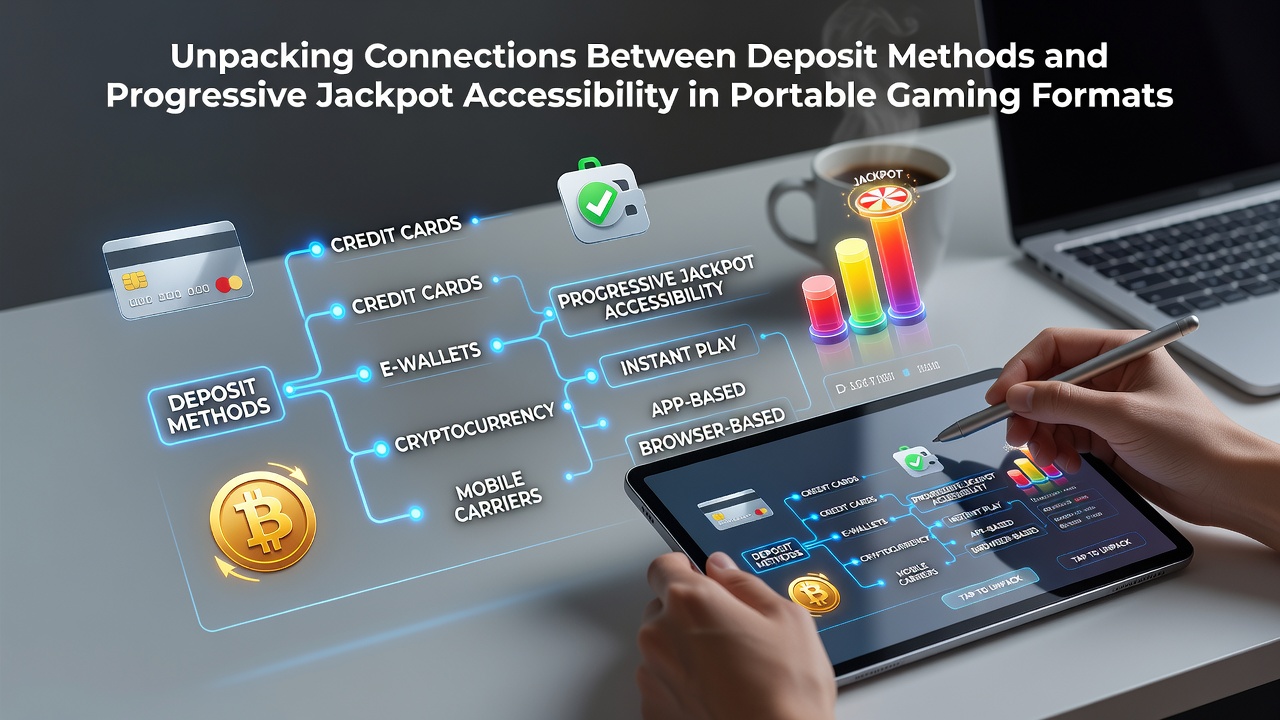
Deposit methods play a central role in determining how players reach progressive jackpots within portable gaming formats, where instant funding options often align with eligibility rules set by network operators. Research from industry reports shows that platforms using e-wallets and prepaid cards process transactions in seconds, which directly feeds into jackpot pools that require active, verified balances to participate.
Payment Processing and Jackpot Eligibility
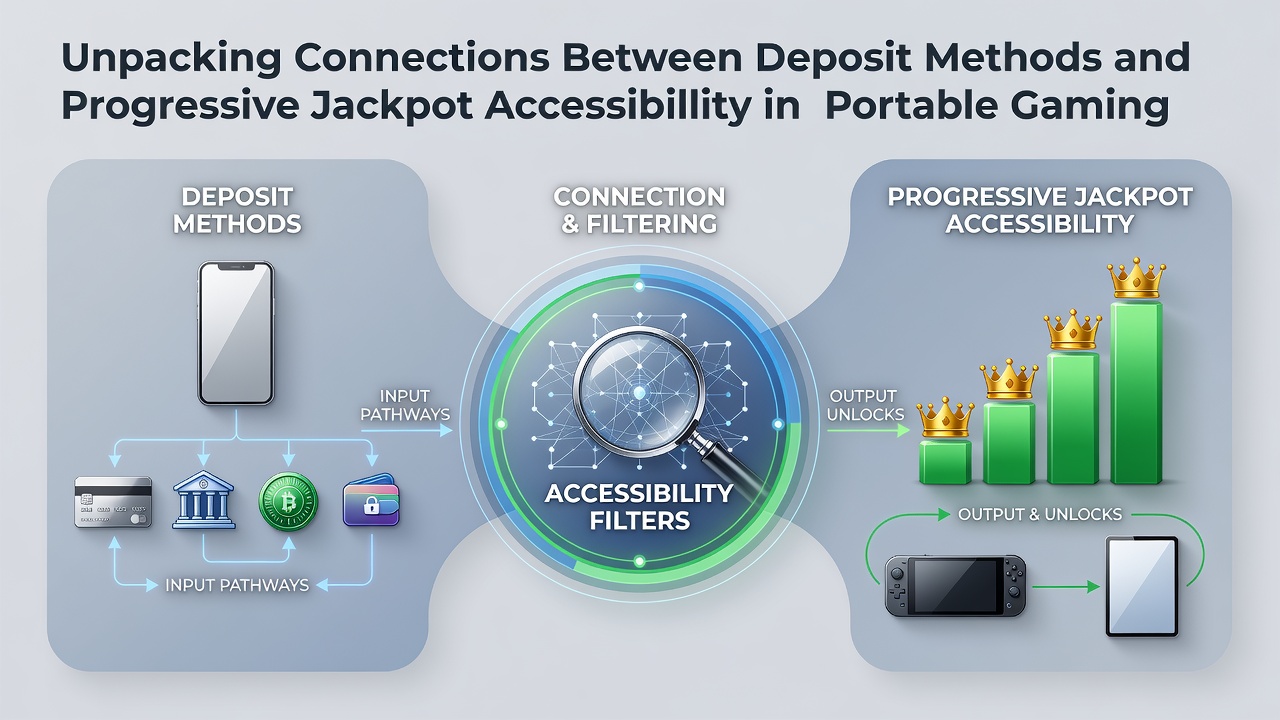
Portable formats rely on seamless deposit flows because progressive jackpots accumulate across multiple sites and devices, yet only funded accounts contribute to the shared prize. Data indicates that bank transfers, which take one to three business days, frequently delay entry into these pools, whereas digital wallets maintain continuous access without interruption. Observers note that operators track deposit timestamps to confirm eligibility windows, creating a direct link between payment speed and jackpot participation rates.
Mobile-Specific Deposit Dynamics
Smartphone and tablet users encounter distinct constraints compared with desktop platforms, since many progressive networks enforce real-time verification tied to the deposit method itself. Studies from academic sources reveal that cryptocurrency deposits, processed through blockchain confirmations, sometimes bypass traditional verification delays yet trigger additional compliance checks that can pause jackpot contributions. In October 2026, updated reporting standards from the Nevada Gaming Control Board highlighted how certain mobile payment rails, including instant bank transfers, improved pool accessibility by reducing failed transaction rates by 18 percent across monitored networks.
Those who study mobile gambling patterns find that prepaid vouchers and gift cards, popular for their anonymity, often carry spending caps that limit repeated contributions to growing jackpots. This restriction becomes significant because progressive games require consistent stake levels to qualify for the top prize tier, and players using capped methods must switch providers mid-session to maintain momentum.
Regional Regulatory Influences on Access
Regulatory frameworks across different jurisdictions shape which deposit methods integrate smoothly with progressive systems in portable environments. Figures from the Australian Communications and Media Authority show that platforms accepting government-approved digital currencies recorded higher mobile jackpot engagement rates than those limited to card-only deposits. Meanwhile, Canadian provincial data illustrates how debit card deposits, when paired with instant confirmation, allow players to enter multi-site progressive games without the cooling periods imposed on credit-based funding.
What's interesting is that some networks apply tiered rules where deposit method determines the maximum stake eligible for jackpot accumulation, pushing players toward specific options to maximize potential returns. Industry reports from the American Gaming Association confirm that mobile operators increasingly promote e-wallet partnerships precisely because these methods reduce friction in jackpot qualification processes.
Technical Integration Challenges
Portable gaming platforms must synchronize deposit ledgers with jackpot servers in real time, and mismatches often occur when slower payment processors lag behind game triggers. Researchers at the University of Nevada, Las Vegas documented cases where players using traditional bank wires missed jackpot triggers by minutes because verification queues created temporary account holds. In contrast, those relying on app-based instant deposits maintained uninterrupted eligibility throughout extended play sessions.
Yet the reality is that security protocols tied to certain deposit methods, such as two-factor authentication for high-value transfers, can introduce brief pauses that affect time-sensitive jackpot entries on mobile devices. Operators address this by embedding payment gateways directly into game interfaces, allowing seamless top-ups without exiting the progressive title.
Future Trends in Payment and Jackpot Linkages
Emerging payment technologies continue to reshape how mobile users interact with progressive jackpots, particularly as instant settlement solutions gain regulatory approval in additional markets. Data shows that platforms adopting unified payment and gaming ledgers experience fewer eligibility disputes, since deposit records feed directly into contribution algorithms. Those monitoring industry shifts observe that mobile-first operators now prioritize deposit methods proven to support uninterrupted jackpot pool growth across portable formats.
Conclusion
Connections between deposit methods and progressive jackpot accessibility in portable gaming remain driven by processing speed, verification requirements, and regulatory alignment. Evidence from multiple jurisdictions demonstrates that faster, integrated payment options consistently expand participation opportunities, while slower or restricted methods create barriers that operators continue to address through technical refinements. Players benefit when platforms align deposit infrastructure with jackpot network demands, ensuring eligibility remains consistent across devices and sessions.