Decoding the Interplay of Territorial Licensing and Transboundary Data Exchanges in Digital Slot and Table Gaming
Written by Otto Richter · Aug 21, 2026
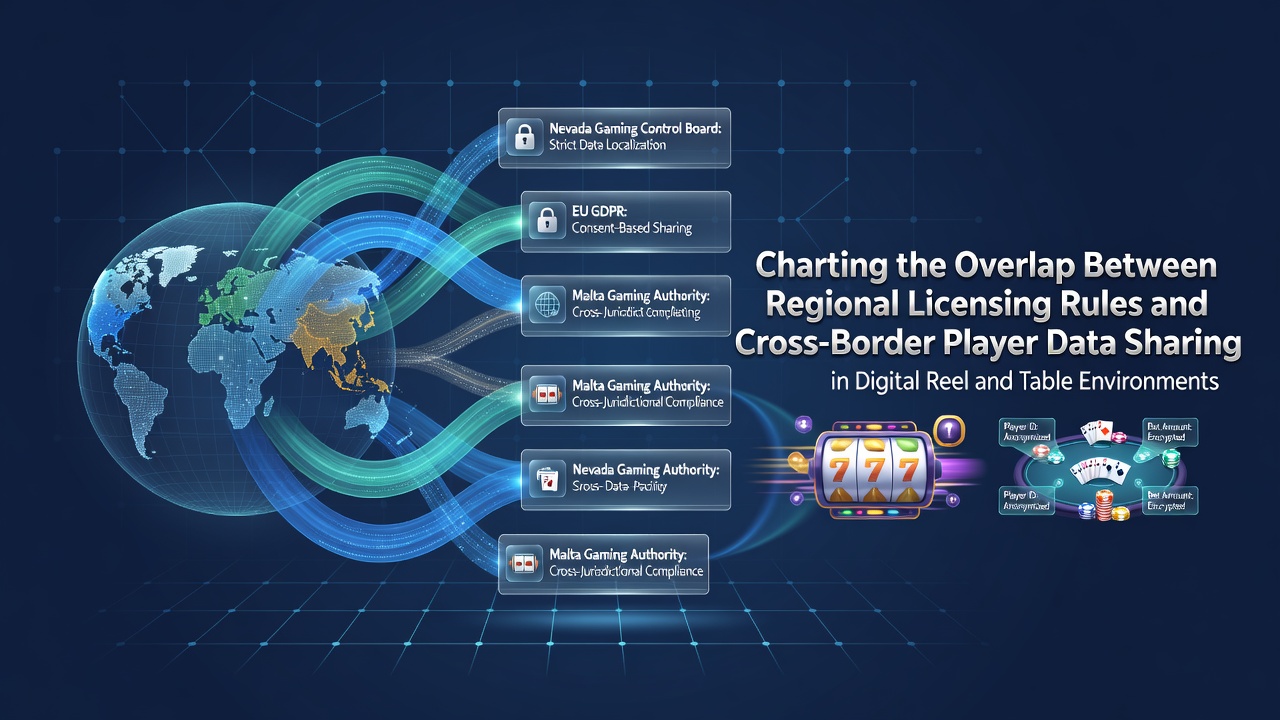
Decoding the Interplay of Territorial Licensing and Transboundary Data Exchanges in Digital Slot and Table Gaming
Regulatory frameworks governing online reel and table environments vary sharply across jurisdictions, and these differences create direct implications for how operators handle player information when users access games from multiple territories. Licensing authorities in the United States, the European Union, Australia, and Canada each impose distinct conditions on data retention, verification, and transfer, which means platforms must maintain separate compliance layers even when the same game library appears across borders.
Core Licensing Structures and Their Data Obligations
State-level regulators in the US require operators to store player records within designated geographic boundaries while also satisfying federal anti-money laundering statutes that permit limited information exchange with foreign partners under specific treaties. Meanwhile European member states apply the General Data Protection Regulation alongside national gambling statutes, so any transfer of personal data outside the European Economic Area triggers additional safeguards such as standard contractual clauses or binding corporate rules. Australian state licensing bodies focus on harm-minimization databases that must interface with similar systems in neighboring jurisdictions when players cross state lines digitally, and Canadian provincial regulators emphasize real-time responsible gambling flags that travel with player accounts across interprovincial platforms.
Cross-Border Data Sharing Mechanisms
Operators licensed in multiple regions rely on centralized customer relationship management systems that segment data according to the strictest applicable rule set for each player segment. When a user registers from one jurisdiction and later accesses games licensed in another, the platform must apply the more restrictive retention period and access protocol to the shared record. Research from the International Centre for Gaming Regulation shows that 68 percent of multi-jurisdictional operators now deploy automated geo-fencing tools that trigger data-handling rules based on the player’s current location rather than the account’s original registration address. These tools reduce manual review time yet require continuous updates whenever any participating regulator revises its data-sharing guidelines.
Technical and Operational Challenges in August 2026
By August 2026 several jurisdictions are scheduled to activate updated data-portability mandates that affect how quickly operators must deliver player records to regulators in cooperating territories. The changes coincide with new technical standards for encrypted API connections between gaming management systems and national self-exclusion registries. Observers note that platforms serving both reel-based and table-based titles face additional complexity because table-game sessions often generate richer behavioral datasets than automated reel sessions, prompting some regulators to request more granular logs for live-dealer environments. Industry associations such as the European Gaming and Betting Association have published implementation checklists that outline minimum encryption levels and audit frequencies required when data crosses from one licensed market into another.
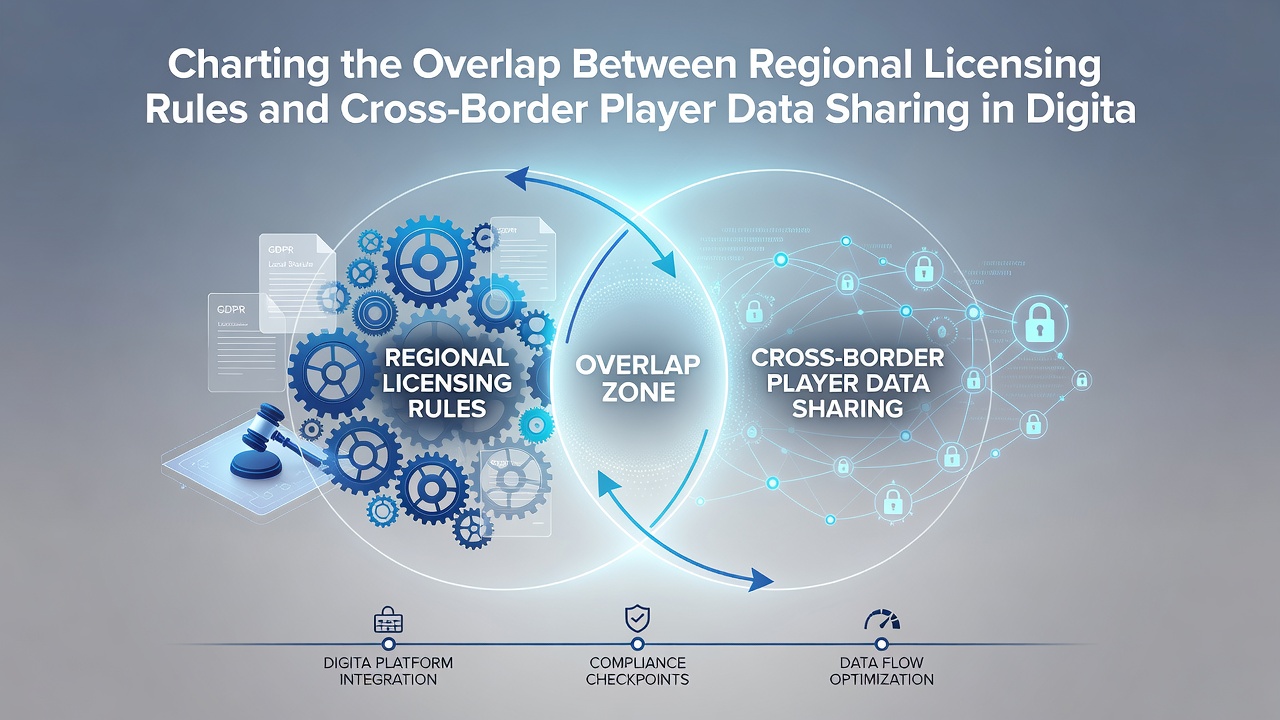
Case Examples from Multiple Markets
One operator holding licenses in New Jersey and Ontario implemented a dual-key encryption model so that player session data remains readable only when both jurisdictions’ regulatory nodes grant simultaneous access. A separate European operator serving markets under the Malta Gaming Authority and the Swedish Gambling Authority routes all responsible-gambling alerts through a neutral third-party clearinghouse that strips identifying details before forwarding aggregated risk scores. These approaches illustrate how licensing conditions shape teh architecture of data pipelines rather than merely adding post-hoc reporting requirements.
Regulatory Cooperation and Information Exchange Agreements
Bilateral and multilateral agreements now exist between several non-EU regulators and European authorities that permit reciprocal access to player exclusion lists while preserving local data-protection standards. The National Council on Problem Gambling in the United States has coordinated with Australian state bodies on standardized fields for harm-minimization data, allowing platforms to populate a single template that satisfies multiple licensing conditions. Such harmonization efforts reduce duplication yet still require operators to maintain jurisdiction-specific consent records because the legal basis for processing differs under each regime.
Future Developments and Compliance Strategies
Regulators continue to refine the scope of data that must remain within national borders versus data that can travel under controlled conditions. Platforms are responding by investing in modular compliance engines that can activate or deactivate specific data-handling routines based on real-time regulatory feeds. Those who have studied these systems report that successful implementations treat licensing rules and data-sharing protocols as a single integrated requirement set rather than separate workstreams, which minimizes conflicts when new rules take effect.
Conclusion
The overlap between regional licensing rules and cross-border player data sharing continues to define operational parameters for digital reel and table environments. As more jurisdictions activate updated standards in 2026, operators must keep data architectures aligned with the most restrictive applicable conditions while still enabling necessary information flows for regulatory oversight and player protection. The resulting frameworks balance territorial sovereignty with the practical demands of global gaming platforms through technical controls, cooperative agreements, and ongoing adaptation of compliance processes.